

Ramón "Mongo" Santamaría (April 7, 1922 in Havana, Cuba – February 1, 2003) was an Afro-Cuban percussionist. He is most famous for being the composer of the jazz standard "Afro Blue", as performed by John Coltrane among others. His 1963 hit rendition of Herbie Hancock's "Watermelon Man" was inducted into the Grammy Hall of Fame in 1998. In 1950 he moved to New York where he played with Perez Prado, Tito Puente, Cal Tjader, Fania All Stars, etc.
59 members


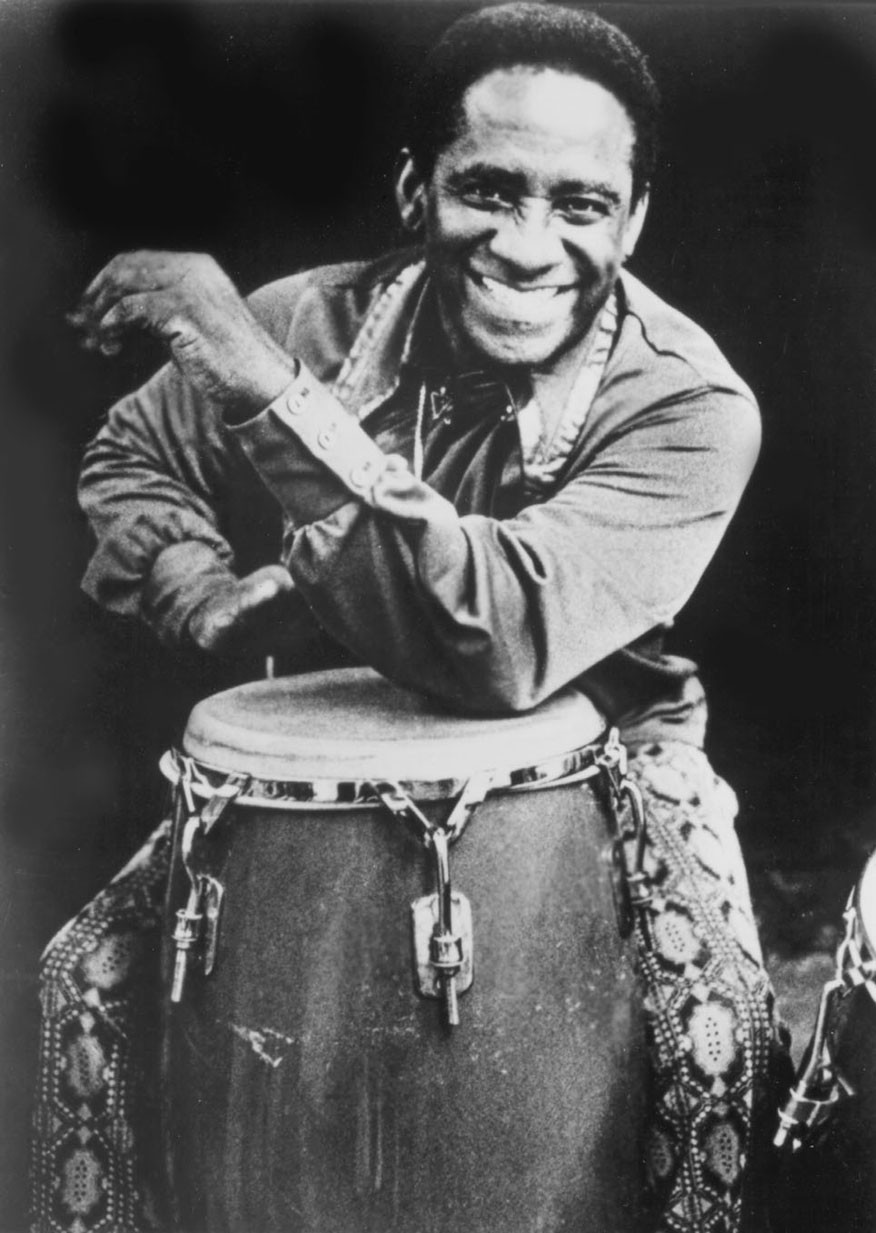
Mongo Santamaria
Ramón "Mongo" Santamaría (April 7, 1922 in Havana, Cuba – February 1, 2003) was an Afro-Cuban percussionist. He is most famous for being the composer of the jazz standard "Afro Blue", as performed by John Coltrane among others. His 1963 hit rendition of Herbie Hancock's "Watermelon Man" was inducted into the Grammy Hall of Fame in 1998. In 1950 he moved to New York where he played with Perez Prado, Tito Puente, Cal Tjader, Fania All Stars, etc.
59 members


1/50

Processing new audio file...




1 FIRE
SAVE
SHARE
7 plays
Report inappropriate
Mambo Candela





Mambo Candela es una carta de presentación de la banda: salsa dura, trombones al frente y energía de pista.
Inspirada en las pachangas y descargas de los años 70, la canción mezcla mambos potentes, solos de piano y trombones con un coro sencillo que dice lo esencial:
Rumba buena, baila como quieras!more
Timed ▼Newest
▼Timed Newest
Show more comments


1/50

Processing new audio file...
1 FIRE
1 SAVE
SHARE
5 plays
Report inappropriate
El primer amor(First Love)
"El primer amor" es una salsa romántica dedicada al primer amor, ese sentimiento inolvidable que deja una huella eterna en el corazón. La letra recorre desde la inocencia de la niñez hasta la madurez emocional, resaltando la importancia de ese primer vínculo y cómo permanece vivo a pesar del paso del tiempo y la distancia. El tema central es la permanencia del amor verdadero, que se convierte en un referente y guía para toda la vida.
La canción inicia evocando el recuerdo del primer amor, presentado como un sueño y una fuente de fe y renacimiento. El segundo verso enfatiza la imposibilidad de olvidar o reemplazar ese amor, describiéndolo como un “eterno amanecer”. El pre-coro utiliza metáforas musicales, comparando el amor con el ritmo del tambor, para expresar cómo el sentimiento permanece vivo en el interior del protagonista. El coro, interpretado por múltiples voces y con stabs enérgicos, reafirma que ese primer amor es único, insustituible y sincero. Los pregones improvisados aportan emoción y espontaneidad, recordando los momentos compartidos y el impacto profundo de esa relación. El cierre repite el mensaje de exclusividad y eternidad del primer amor, con frases que lo asocian a la música cubana y su carácter eterno.
La estructura de la canción permite arreglos ricos en improvisación, especialmente con saxofón, trompeta y congas, y coros pegajosos al estilo de la salsa cubana romántica, alineándose con tu estilo de composición musical y tu amor por la música cubana.
"First Love" is a romantic salsa dedicated to the first love, that unforgettable feeling which leaves an eternal mark on the heart. The lyrics journey from childhood innocence to emotional maturity, highlighting the importance of that first bond and how it remains alive despite the passage of time and distance. The central theme is the endurance of true love, which becomes a reference and guide for a lifetime.
The song begins by evoking the memory of first love, presented as a dream and a source of faith and renewal. The second verse emphasizes the impossibility of forgetting or replacing that love, describing it as an "eternal dawn." The pre-chorus uses musical metaphors, comparing love to the rhythm of the drum, to express how the feeling stays alive within the protagonist. The chorus, performed by multiple voices and with energetic stabs, reaffirms that the first love is unique, irreplaceable, and sincere. Improvised call-and-response sections add emotion and spontaneity, recalling shared moments and the profound impact of that relationship. The ending repeats the message of exclusivity and eternity of first love, with phrases associating it with Cuban music and its eternal character.
The song’s structure allows for rich improvisational arrangements, especially with saxophone, trumpet, and congas, and catchy choruses in the style of romantic Cuban salsa, aligning with your musical composition style and your love for Cuban music.more
Timed ▼Newest
▼Timed Newest
Show more comments
1/50

Processing new audio file...
FIRE
SAVE
SHARE
5 plays
Report inappropriate
Sueños(Dreams)
"Sueños" es una salsa romántica que explora la nostalgia y el dolor por un amor perdido, evocando recuerdos de momentos felices y la esperanza que alguna vez existió. La letra recorre los sueños y anhelos del protagonista, que imaginaba un futuro junto a su ser amado, pero que ahora enfrenta la realidad de la separación y la imposibilidad de olvidar.
La canción inicia con versos que describen los sueños y deseos de amor profundo, centrados en la mirada, la sonrisa y la presencia de la persona amada. El estribillo introduce el cambio de realidad: la vida ya no es igual y el ser querido se ha perdido entre la multitud, dejando al protagonista sin su “especial”. El tercer verso refuerza la espera y la ilusión de un reencuentro, mientras que el montuno, con llamadas y respuestas, expresa la resignación y la persistencia del recuerdo a pesar del paso del tiempo. Los coros pegajosos y las improvisaciones (soneos) durante el montuno intensifican la emoción y la sensación de pérdida, pero también muestran la fuerza de los sueños que permanecen en el alma. La instrumentación destaca el uso de metales, saxofón, trompeta y congas, con un cierre enérgico y emotivo, fiel a tu estilo de salsa cubana romántica y arreglos complejos.
Esta obra refleja tu identidad musical, fusionando letras emocionales y nostálgicas con estructuras ricas en improvisación y arreglos instrumentales vibrantes, ideales tanto para la pista de baile como para la escucha íntima.
"Dreams" is a romantic salsa song that explores nostalgia and the pain of lost love, evoking memories of happy moments and the hope that once existed. The lyrics trace the dreams and longings of the protagonist, who once imagined a future with their beloved, but now faces the reality of separation and the impossibility of forgetting.
The song begins with verses describing the dreams and desires for deep love, focused on the gaze, the smile, and the presence of the loved one. The chorus introduces the change in reality: life is no longer the same and the loved one has been lost among the crowd, leaving the protagonist without their "special one." The third verse reinforces the wait and the illusion of reunion, while the montuno—with calls and responses—expresses resignation and the persistence of memory over the passage of time. The catchy choruses and improvisations (soneos) during the montuno intensify the emotion and sense of loss, but also show the strength of dreams that remain in the soul. The instrumentation highlights the use of brass, saxophone, trumpet, and congas, with an energetic and emotional closing, true to your style of romantic Cuban salsa with complex arrangements.
This work reflects your musical identity, blending emotional and nostalgic lyrics with structures rich in improvisation and vibrant instrumental arrangements—ideal for both the dance floor and intimate listening.more
Timed ▼Newest
▼Timed Newest
Show more comments